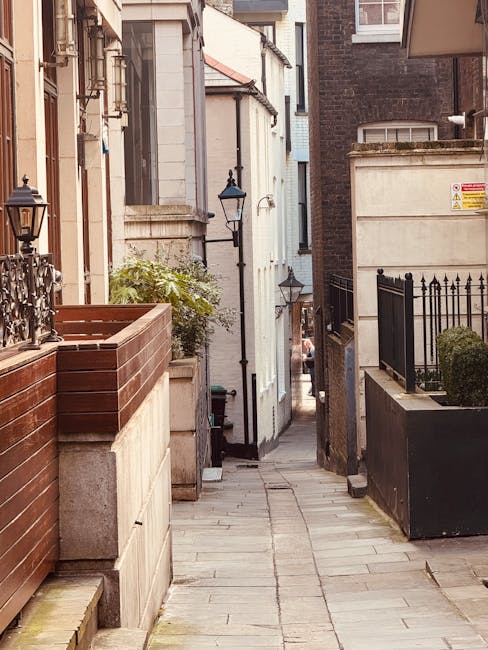
Chelsea SW3 Removals Guide for Narrow Street Access
If you are moving in Chelsea SW3, you already know the streets can be elegant, busy, and just a bit unforgiving for a removal van. This Chelsea SW3 removals guide for narrow street access is here to help you plan a move that feels controlled instead of chaotic. Whether you are shifting a flat off the King's Road, a townhouse near garden squares, or an upper-floor apartment with awkward access, the details matter. A lot.
Narrow streets change everything: van size, loading times, parking, carrying routes, neighbour access, and how much stress lands on moving day. In practice, the best moves here are the ones planned around the street, not just the address. Let's make that easier.
Why Chelsea SW3 Removals Guide for Narrow Street Access Matters
Chelsea is beautiful, but from a mover's point of view it can be tricky. Streets can be narrow, parked cars can pinch the road space, and turning a large vehicle into the right position is often harder than the packing itself. If the van cannot get close enough, every box becomes a longer carry. That sounds minor until you are doing it with a wardrobe, a mattress, or three flights of stairs.
This matters for three reasons. First, access directly affects timing. A move that should take half a day can stretch longer when the van has to park around the corner. Second, it affects cost, because more labour and time usually means a bigger job. Third, it affects risk. Tight corners, low branches, narrow pavements, and impatient traffic all raise the chance of knocks, delays, or frustration. Nobody wants the sofa to meet a lamp post. It's a comedy only in hindsight.
In Chelsea SW3, a good removal plan is not just about getting items from A to B. It is about reading the street well enough to avoid the little disasters that happen when people assume a standard-size moving van will work everywhere. It often won't.
For that reason, many residents look first at a reliable removal company or a flexible man and van service that can adapt to the street rather than force the street to adapt to the move. If you are planning a larger household relocation, you may also want to explore home moves or broader house removals support.
How Chelsea SW3 Removals Guide for Narrow Street Access Works
The process starts with access planning, not lifting. That is the part many people skip, and it is usually where the trouble begins. A move in a narrow Chelsea street works best when the team knows exactly where the vehicle can stop, how far items must be carried, whether a lift is available, and how the building layout affects the route.
At a practical level, the move usually follows a few stages:
- Assess the street and building access. This includes road width, parking restrictions, traffic flow, doorway size, staircases, and any awkward bends or tight entrances.
- Choose the right vehicle. Sometimes a smaller van is better than a big one. In narrow streets, nimble often beats large. A smaller vehicle can reduce blocking and may park closer to the property.
- Plan the loading sequence. Items are loaded in a way that supports quick access on arrival, especially if the unloading point is limited.
- Prepare the property. Protection for floors, bannisters, and door frames matters more when items have to be carried through tight spaces.
- Move efficiently, but safely. The team works around the street conditions, not against them. Short carries, clear communication, and patient manoeuvring make a real difference.
In a place like SW3, you will often see that the move becomes smoother when the mover uses a moving van or a removal van that suits the location, rather than defaulting to the biggest vehicle available. For some jobs, especially when the access is awkward but the load is modest, a man with van setup is simply the most sensible choice.
Truth be told, there is no magic trick here. Good access planning is mostly about asking the right questions early, then listening properly to the answers.
Key Benefits and Practical Advantages
Getting the access plan right does more than reduce stress. It can materially improve the whole move. Here are the main benefits people notice.
- Less carrying distance: The closer the van can park, the less time is spent walking heavy items back and forth.
- Lower chance of damage: Fewer tight turns and shorter carry routes reduce the risk of bumping walls, frames, or furniture.
- Better time control: When access is understood, the move is easier to schedule and more likely to stay on track.
- Reduced neighbour disruption: Good planning helps avoid blocking entrances, noisy repositioning, and repeated vehicle movements.
- Smarter vehicle choice: The right van size can make a narrow street move much easier than forcing a larger truck into the same space.
There is also a quieter benefit: calm. When the movers know the route, the stairs, and the parking reality, everyone tends to breathe a little easier. You will notice that straight away on moving morning. Less shouting, fewer surprises, fewer "just one more awkward corner" moments.
If you are comparing service types, take a look at the differences between removals, man and van removals, and specialist house removal services. Each can fit a narrow-access job, but not every option suits every volume of belongings.
Who This Is For and When It Makes Sense
This guide is for anyone moving in Chelsea SW3 where street access is limited, vehicle access is tight, or the property layout makes moving harder than usual. That includes renters, homeowners, landlords managing end-of-tenancy moves, and small offices shifting between buildings in the area.
It makes particular sense if:
- your street has limited passing space or frequent parked cars
- your building sits behind railings, gates, or a shared courtyard
- you live on an upper floor without easy lift access
- you have larger items like wardrobes, sofas, beds, or desks
- you need to move at a specific time because of parking or building restrictions
- you are balancing a move with work, school runs, or a busy household
Some people only need a simple vehicle-and-labour solution, while others need full support including wrapping, packing, and careful furniture handling. If the job includes delicate items or a long list of boxes, it can be worth considering packing and unpacking services as part of the plan. It saves time, yes, but it also protects the move from becoming one long, half-finished pile of tape and stress.
Commercial clients in Chelsea SW3 can face similar access headaches, especially when moving equipment through narrow entrances or time-limited loading bays. In those cases, commercial moves or office removals may be the better match.
Step-by-Step Guidance
Here is a practical way to handle a narrow-street move in Chelsea SW3 without losing your mind halfway through.
1. Measure what actually matters
Start with the obvious things: stair widths, doorway clearances, lift size, and the size of your biggest furniture. Then add the less obvious ones, like whether the van can pull in close enough to the door and whether there is room to swing a mattress or sofa around the corner.
2. Check the street at the right time
A street that feels manageable at 10 a.m. may be much worse at school-run time or late afternoon. If possible, look at the road at the time you plan to move. A quick walk outside often tells you more than an hour of guessing.
3. Speak plainly about access
Tell the removal team about anything awkward: tight turns, low kerbs, shared courtyards, basement stairs, no lift, restricted stopping, or long carries. The more precise you are, the better they can plan. "It's a bit tight" is useful in conversation; it is not enough for a move plan.
4. Choose the right vehicle and team size
For some Chelsea streets, a smaller vehicle with a well-organised crew is better than a bigger truck that ends up parked far away. A compact setup can save time if the road is narrow and the loading point is constrained. On the other hand, if you have a large property, a larger team may still be the best option if access permits it.
5. Protect the property before anything starts moving
Put down floor protection, guard door frames, and make sure shared hallways are kept clear. In older Chelsea buildings, paintwork and stair finishes can be more vulnerable than they first look. One scruffy mark and suddenly the day feels longer.
6. Load in the right order
Load according to the unloading priority. If the first items out will need to go upstairs, make sure they are accessible. If you are moving into a tight property, avoid burying essential items under heavy storage boxes. That is the sort of small mistake that snowballs fast.
7. Keep a small essentials bag separate
Keep passports, keys, chargers, kettle supplies, medication, and a change of clothes separate from the van load. It sounds basic, but on a narrow street move, having to hunt for essentials while the van is parked awkwardly is the sort of drama nobody needs.
8. Build in a little buffer
Allow extra time for parking, access, and loading. In Chelsea SW3, "on time" often means "prepared for a delay and not panicking about it." Small buffer, big difference.
Expert Tips for Better Results
If you want a smoother narrow-access move, the following details tend to make the biggest difference.
- Book an access check early: A short review of the building and street can prevent expensive surprises later.
- Use colour-coded labels: It speeds up unloading when the team can tell bedroom items from kitchen items at a glance.
- Disassemble only what helps: Don't take apart furniture just for the sake of it. Only dismantle pieces that genuinely improve movement through the property.
- Wrap with purpose: Protect corners, mirror glass, and polished surfaces, especially where narrow hallways are involved.
- Keep neighbours informed if needed: A quick heads-up can reduce friction in shared buildings or tight terraces.
Another practical one: use a van that can be loaded efficiently, not just one that looks impressive. A well-packed removals van can outperform a bigger vehicle if the street is awkward and the turnaround space is limited. That sounds obvious, but people still forget it. Often.
Expert summary: In Chelsea SW3, the move is usually won or lost before the first box is lifted. Good access planning, the right vehicle, and a tidy loading sequence matter more than brute force.
If you are unsure how much help you need, it can help to compare the style of move against your property. A one-bedroom flat on a tight road may suit a man with van removal, while a larger family home may need a more comprehensive approach through house movers or movers.
Common Mistakes to Avoid
Most narrow-access problems are predictable. That is the annoying part. The good news is they are also avoidable.
- Assuming the van can park outside: Chelsea streets can be tighter than they look in daylight. Never assume there will be easy stopping space.
- Ignoring loading restrictions: If a road has time-based limitations or loading pressure, build your plan around that reality.
- Underestimating furniture size: A sofa that looks manageable in the lounge can become a monster at the stair landing.
- Leaving packing until the last minute: Late packing often leads to poor labelling, rushed wrapping, and lost items. Human nature, really.
- Not warning the movers about access quirks: If there is a split-level entrance, narrow passage, or basement step, say so early.
- Choosing a vehicle that is too large: Bigger is not always better in SW3. Sometimes it just means more shuffling and more stress.
Another mistake is treating the move as purely physical. It is logistical first. Once you accept that, the whole day gets easier to shape.
Tools, Resources and Recommendations
You do not need fancy equipment to handle a Chelsea move well, but a few practical tools help a lot.
- Measuring tape: For doors, halls, stairs, and furniture dimensions.
- Floor and door protection: Helps prevent scuffs in older buildings and communal areas.
- Furniture blankets and straps: Useful for protecting large or awkward items.
- Labels and marker pens: Simple, but they save time at both ends of the move.
- Inventory list: Helpful when items are moving in stages or being split between storage and the new address.
If your move also involves items you no longer want, you may be able to combine disposal or donation planning with a furniture pick up service. That can reduce clutter before moving day, which is always a relief. There is nothing quite like getting rid of one bulky chair you have been stepping around for two years.
For those comparing service levels and budgets, the company's pricing and quotes information is a sensible place to understand how access, labour, and vehicle choice may influence the final figure. And if you are wondering about trust, safety, or handling standards, the pages on insurance and safety and health and safety policy are worth reading before you book anything.
Law, Compliance, Standards, and Best Practice
Moving in Chelsea SW3 can involve practical compliance issues even when the move itself is straightforward. You may need to think about parking arrangements, loading behaviour, building rules, and the duty to avoid causing damage or obstruction. In London, that is not just polite; it is basic best practice.
While this guide is not legal advice, a careful mover will normally consider the following:
- Parking and stopping rules: Check where a vehicle can legally wait or load, and avoid assuming a bay is available just because the street looks quiet.
- Building access rules: Some blocks have specific moving hours, lift booking procedures, or damage-prevention expectations.
- Insurance and handling standards: Any reputable mover should be clear about what they can and cannot cover, and how items are protected in transit.
- Health and safety: Safe lifting, sensible team sizes, and clear walkways matter in narrow spaces where one wrong step can cause trouble.
- Waste and recycling responsibility: If you are discarding items, separate reuse, recycling, and disposal where possible.
Good movers do not improvise their way through a narrow street. They plan, communicate, and work within the building's expectations. That is the standard you should look for. If a company seems vague about safety or damage handling, pause there. Ask again. Then ask once more if needed.
For policies, terms, and service expectations, it is also sensible to review the company's terms and conditions, recycling and sustainability approach, and payment and security information so you know how the job is managed from start to finish.
Options, Methods, or Comparison Table
Here is a simple comparison to help you decide which moving approach tends to suit narrow street access in Chelsea SW3.
| Option | Best for | Strengths | Watch-outs |
|---|---|---|---|
| Man and van | Smaller flats, lighter loads, flexible access | Easy to position, often practical in tight roads | Can be limited for larger homes or heavy furniture |
| Removal van | Medium-sized household moves | Better capacity while still manageable in many narrow streets | May still be awkward if parking is very restricted |
| Full removals team | Larger homes, complex access, lots of furniture | More labour, more structure, more support | Needs very careful planning in tight streets |
| Office removals | Businesses, studios, professional premises | Good for organised relocations with timed access | Requires clear scheduling and building coordination |
In narrow Chelsea roads, the smartest choice is rarely the biggest one. It is the one that can actually get the job done without turning the street into a puzzle. If you want something compact and adaptable, a man with a van can be ideal. If the move is larger and more structured, a broader removal services approach may be better. There is no need to force the issue.
Case Study or Real-World Example
Picture a second-floor flat in Chelsea SW3 with a narrow pavement, a busy road, and a shared entrance hall. The resident has a sofa, two beds, a desk, boxed kitchenware, and a few fragile items. There is no lift, and the road outside only really works for loading if the vehicle arrives at the right moment.
In a situation like that, a good plan might look like this: a small-to-medium vehicle booked for an early slot, the largest furniture pre-wrapped and partially dismantled, boxes labelled by room, and a short pre-move check to confirm where the van can pause safely. The movers would carry key items first, keep the stairwell clear, and avoid clogging the entrance with boxes that can wait.
What usually makes the difference is not heroics. It is rhythm. A calm, steady flow of carrying, loading, and unloading. You can almost hear the sound of tape ripping and box lids closing, one after another, instead of the usual scramble. By lunchtime, the move feels possible rather than impossible. And that matters more than people expect.
For larger properties with more moving parts, the same logic applies but at a bigger scale. Services like house removalists or house mover support can help structure the work so the access issue never becomes the main event.
Practical Checklist
Use this checklist a few days before moving day, then glance at it again on the morning of the move.
- Confirm the exact street access at both addresses.
- Measure doorways, stairs, lift space, and any awkward furniture.
- Check parking, loading, and stopping restrictions.
- Tell the mover about narrow turns, low ceilings, or shared entrances.
- Choose a van size that suits the street, not just the load.
- Protect floors, frames, and railings before items start moving.
- Label boxes clearly by room and priority.
- Keep essential items aside in a separate bag.
- Plan for extra time if the van cannot park directly outside.
- Read service terms, insurance notes, and payment details before confirming.
Quick reminder: if the property is especially tight, it is better to over-prepare than to hope the road "works itself out." It won't. Streets rarely do us favours.
Conclusion
Moving in Chelsea SW3 is perfectly manageable, but narrow street access changes the rules. The best results come from early planning, the right vehicle, honest communication, and a mover who understands that access is part of the job, not an afterthought. When you get those pieces right, even a tight street move can feel orderly.
Whether you need a compact removals near me option for a smaller flat or a fuller service for a larger home, the principle stays the same: plan for the street you actually have, not the street you wish you had. That is the whole game really.
Get a free quote today and see how much you can save.
And if you are still at the planning stage, take your time. A thoughtful move in Chelsea SW3 is usually a calmer move, and a calmer move is a better one. Simple as that.
Frequently Asked Questions
What makes Chelsea SW3 moves harder than moves in wider streets?
Narrow roads, limited parking, parked cars, and tight turning space can make access slower and more complicated. Even if the property itself is straightforward, the street can shape the whole day.
Should I book a smaller van for a narrow Chelsea street?
Often, yes. A smaller van can be easier to position and may reduce the amount of carrying needed. That said, the right choice depends on both the load size and the exact access conditions.
How far in advance should I plan a narrow-access removal?
As early as possible. Even a basic access review a few days ahead can save stress. For busy periods or larger homes, planning earlier is better still.
What should I tell the removals team before moving day?
Tell them about stairs, lifts, parking restrictions, street width, shared entrances, awkward furniture, and any building rules. Small details can make a big difference.
Can a man and van service handle a Chelsea SW3 move?
Yes, especially for smaller flats or lighter loads. A man and van setup can work very well where a larger vehicle would struggle.
What if the van cannot park directly outside my property?
That is common in tight parts of Chelsea. The movers may need to park nearby and carry items a short distance. It usually adds time, so it is wise to build that into the schedule.
Do I need to dismantle furniture for narrow access?
Not always, but larger pieces often move more safely when partially dismantled. The goal is not to take everything apart, just to reduce risk and avoid damage in tight hallways.
How do I reduce damage risk in a tight stairwell?
Protect the property with floor covering, wrap furniture properly, and keep the route clear. Careful handling matters even more when the space is limited.
Is it worth using packing services for a Chelsea SW3 move?
If you are short on time, have fragile items, or want the move to feel more organised, yes. Packing and unpacking services can remove a lot of the last-minute pressure.
How do I know whether I need a full removal company or a simpler service?
Look at how much you are moving, how difficult the access is, and whether you need packing or furniture handling help. For larger or more complex jobs, a removal company may be the better fit.
Are office moves in Chelsea SW3 also affected by narrow access?
Absolutely. Office equipment, desks, and timed building access can make the logistics just as tricky as a home move. In those cases, office relocation services can be useful.
What is the biggest mistake people make with narrow street removals?
Assuming the street will be fine on the day. It sounds obvious, but people do it all the time. The smarter approach is to check access, choose the right vehicle, and plan for the real conditions, not the ideal ones.