Recycling and Sustainability at Stora London
 At Stora London, recycling and sustainability are part of how we plan every move, collection, and clearance. Across the capital, waste is never just waste: it is a mix of materials that can be reused, repaired, separated, and returned to productive use. Our recycling service in London is designed to support households, offices, landlords, and local projects with a clear aim: keep valuable material out of landfill and move more of it into responsible recovery streams. We work with a practical target to recycle 85% of collected material wherever the condition and composition of items allow it, while prioritising reuse before disposal. That means sorting items carefully, identifying recyclable packaging, and diverting furniture, metals, cardboard, textiles, and electronic items into the right channels.
London’s boroughs each manage waste in slightly different ways, and that local variation matters. Some boroughs promote strong separation of dry mixed recycling, while others place more emphasis on separate food waste, garden waste, or dedicated collection streams for small electricals and bulky items. Our Stora London recycling approach fits around those systems rather than working against them. We make sure collected loads are handled with attention to borough-specific rules so that materials such as paper, cans, plastics, and glass are not contaminated. This careful segregation is one reason why a London recycling company can make a meaningful difference in the city: the right sorting at the start improves the chance of high-quality recovery later.
 Another important part of our sustainability work is using the most suitable destinations for discarded materials. In many cases, that means taking loads to local transfer stations across Greater London, where items can be consolidated, separated, and prepared for onward recycling. These stations are essential in a city as dense as London because they reduce unnecessary mileage and help keep collections efficient. For example, waste from central districts may be routed through nearby transfer points before moving to specialist facilities for timber, metal, green waste, or mixed recyclables. This layered system supports a lower-carbon process overall and helps us keep track of each waste stream more accurately. It also means we can respond quickly when clients need a sustainable clearance solution that balances speed with responsible handling.
Our recycling and sustainability page would not be complete without mentioning partnerships that extend the life of usable goods. Stora London works alongside charities and community organisations to redirect suitable items away from the waste chain altogether. When furniture, household goods, office equipment, and textiles are still in good condition, we prioritise donation routes where they can be cleaned, repaired, and reused by people who need them. This supports the circular economy and gives practical value to items that might otherwise be broken down or sent for disposal. By building relationships with charitable partners, our recycling and reuse service can contribute to social outcomes as well as environmental ones.
We also recognise that sustainability depends on the fleet behind the service. That is why we are steadily increasing the use of low-carbon vans for collections and transport. These vehicles are chosen to help reduce emissions on London’s busy roads, where stop-start traffic and short urban journeys can create a significant carbon burden. Lower-emission vans, smarter route planning, and fuller load efficiency all contribute to a greener operation. For a London waste recycling provider, these choices matter because transport is often one of the largest sources of operational emissions. By improving the vehicle mix, we can make each collection more climate-conscious without compromising service reliability.
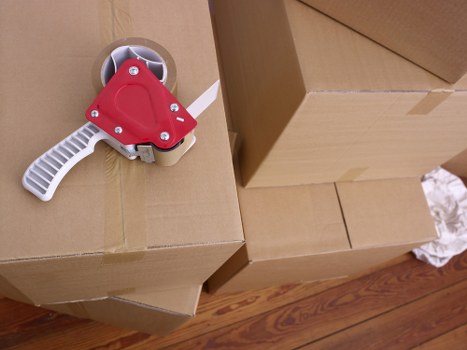 Sustainability in London also means understanding the city’s material patterns. Offices in the West End, retail units in busy high streets, and residential buildings in inner boroughs all generate different waste profiles. Cardboard from deliveries, redundant office chairs, display materials, packaging film, and old electronics often need different treatment. We separate these streams where possible so that each item moves into the best recovery route. Metals can be recycled repeatedly, cardboard can enter paper mills, and certain plastics can be processed into new products if they are kept clean and sorted. Even when full recycling is not possible, we aim for recovery pathways that reduce environmental harm and maximise the useful life of the material.
Local knowledge is especially useful when dealing with borough-led separation schemes. Some parts of London use distinct bins or collection days for food waste, dry recycling, and residual waste, while others rely on residents and businesses to pre-sort items more carefully before collection. Our Stora London recycling team works with that reality every day. We pay close attention to contamination risks such as food residue on packaging, mixed materials, batteries hidden in waste, and black sacks containing recyclable content. This attention to detail supports better results at transfer stations and processing facilities. It also helps us support clients who want a more responsible recycling service in London without creating extra complexity for their operations.
Where possible, we also encourage the reuse of items through repair and refurbishment routes. Desks, shelving, cabinets, and office fixtures can often be cleaned and rehomed rather than broken down. This is particularly useful in commercial clearances, where large volumes of similar items are removed at once. Reuse reduces demand for new materials, cuts embodied carbon, and helps keep bulky items in circulation for longer. The result is a more circular recycling solution for London that supports both environmental performance and practical cost control.
 Near the end of every project, we review what has been diverted, what has been donated, and what still needs specialist processing. This helps us keep improving our recycling percentage target and identify opportunities for even better separation in future jobs. It also means we can adapt to seasonal changes, borough requirements, and the different material mixes that appear across homes, workplaces, and community premises. Sustainability is not a one-time action; it is a continuous process of better sorting, cleaner loads, shorter transport routes, and stronger reuse partnerships.
 At Stora London, our approach to recycling and sustainability is built around practical action in a complex city. From local transfer stations and borough-specific waste separation to charity partnerships and low-carbon vans, every part of the process is designed to reduce waste and improve recovery. By aiming for an 85% recycling target and choosing routes that favour reuse and responsible processing, we help London move toward a cleaner, more circular future. For us, sustainable waste management means making smart choices at every stage: collecting carefully, sorting thoroughly, and treating every load as a resource rather than a burden.