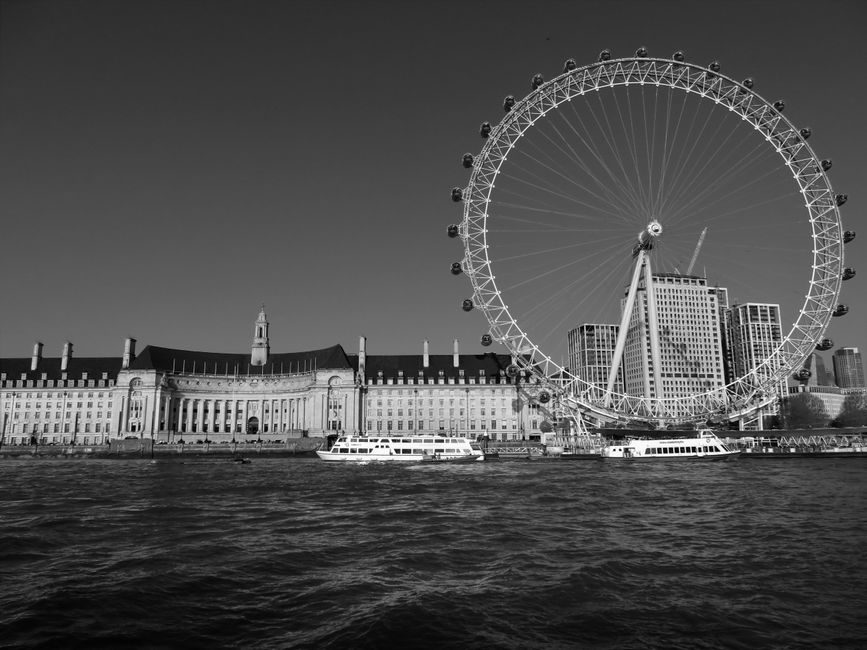
Moving near London Eye top tips for central removals
If you are moving near the London Eye, you are not just booking a van and hoping for the best. Central London moves have their own rhythm: busy roads, tight access, flats above shops, timed loading windows, and the sort of parking situation that can test anyone's patience before 9am. The good news? With the right planning, moving near London Eye top tips for central removals can feel organised rather than chaotic. This guide walks you through what matters, how central removals actually work in practice, and the small decisions that make a big difference on moving day.
Whether you are relocating to a riverside apartment, a serviced flat, or an office space a short walk from Waterloo or Westminster, the same principle applies: prepare early, move smart, and keep the route simple. Let's make that easier.
Table of Contents
- Why Moving near London Eye top tips for central removals Matters
- How Moving near London Eye top tips for central removals Works
- Key Benefits and Practical Advantages
- Who This Is For and When It Makes Sense
- Step-by-Step Guidance
- Expert Tips for Better Results
- Common Mistakes to Avoid
- Tools, Resources and Recommendations
- Law, Compliance, Standards, or Best Practice
- Options, Methods, or Comparison Table
- Case Study or Real-World Example
- Practical Checklist
- Conclusion
- Frequently Asked Questions
Why Moving near London Eye top tips for central removals Matters
Moving near the London Eye is different from moving in a quieter suburban area. The density alone changes everything. Roads fill quickly, foot traffic is constant, and delivery access can be awkward even when the destination looks close on a map. In central London, a "short distance" move can still require careful timing and proper coordination.
Why does that matter so much? Because small delays become expensive in a hurry. If a lift is booked for a narrow time slot, or a van cannot stop safely outside the building, your whole schedule can slip. That is the point many people miss. It is not just about transport; it is about access, timing, building rules, and keeping everyone calm enough to get the job done.
Truth be told, the London Eye area can be deceptively tricky. You might have a relatively small volume of belongings, but the environment makes the move more complex than it first appears. Even loading a sofa can turn into a mini logistical puzzle. There is a reason experienced removal companies put so much emphasis on pre-move planning in central zones.
Expert summary: Central removals near the London Eye succeed when access, timing, packing, and vehicle choice are decided before moving day, not during it.
How Moving near London Eye top tips for central removals Works
A central removal near the London Eye usually follows the same broad pattern as any house move, but each stage needs tighter control. First, you assess what is moving and how much room it will need. Then you match that to a vehicle, plan the route, and check whether the building has lift access, loading restrictions, or a concierge process.
In practical terms, the move often works best in short, efficient stages:
- Pre-move survey or call: confirm inventory, access, parking, and any fragile or awkward items.
- Packing and labelling: protect items properly and make boxes easy to place in the right rooms.
- Vehicle planning: choose a van or truck that fits the streets and the load, not just the volume of furniture.
- Loading strategy: heavy items first, fragile items last, with a clear order of unloading.
- Arrival and placement: get furniture into the right rooms quickly so hallways stay clear.
That sounds simple on paper. In the real world, of course, a lift may be busy, a concierge may want advance notice, or a delivery bay may be shared with other vehicles. This is where a good removals plan earns its keep. If you need a broader look at residential moving support, home moves is a useful place to understand how household relocations are typically handled.
Many people also choose a smaller vehicle option for central London because it is easier to park and manoeuvre. A well-planned man and van service can be a sensible fit for lighter moves, smaller flats, or situations where access is tight and speed matters more than carrying capacity alone.
Key Benefits and Practical Advantages
When the move is organised properly, the benefits are not just practical. They are emotional too. You feel less rushed, less exposed to delays, and less likely to spend your first evening surrounded by unopened boxes and half-assembled furniture. That matters more than people admit.
- Better time control: a structured plan reduces the risk of waiting around for lifts, parking, or building approvals.
- Less physical strain: correct vehicle selection and carrying methods help protect both people and possessions.
- Lower damage risk: good packing and route planning reduce bumps, scrapes, and last-minute panic.
- Smoother building access: if your new place has managed entry, advance communication avoids awkward hold-ups.
- More predictable costs: central London delays can add up, so efficiency helps keep the job within budget.
There is also a subtle but important advantage: moving well in a busy central area gives you breathing room. When you are not constantly reacting to problems, you make better decisions. Simple as that.
If your move includes packing support, a service such as packing and unpacking services can save time and reduce the "where did I put the kettle?" kind of chaos that seems to appear on every move, no matter how well you planned it.
Who This Is For and When It Makes Sense
This topic is especially relevant if you are moving into or out of the South Bank, Waterloo, Lambeth, Westminster, or nearby central postcodes where access is tighter and traffic is often heavier than people expect. It also makes sense if you live in a purpose-built apartment block, a converted building, or somewhere with limited loading space.
It is a good fit for:
- tenants moving into compact flats with stair or lift access
- homeowners relocating from central apartments
- students or professionals downsizing nearby
- small offices moving around the Waterloo and Westminster area
- anyone with awkward items, fragile possessions, or time-limited access
It can also help if you are moving with a date tied to tenancy handover, lease completion, or a strict building move-in window. In those cases, the margin for error is tiny. You do not want to discover at 8:30am that the loading bay is already occupied and your driver is circling the block.
For business relocations in the area, a specialist office removals approach is often the safer choice because desks, IT equipment, and files need a more controlled process than a typical household move.
Step-by-Step Guidance
1. Confirm building access early
Ask about lifts, concierge procedures, loading zones, and any restricted hours. If the building needs advance notice for move-in, do that first. Not last minute. Not "I'll sort it on the day." First.
2. Measure the awkward stuff
Large sofas, beds, wardrobes, dining tables, and anything oddly shaped should be measured before moving day. Check dimensions against doorways, lifts, and stair turns. A few centimetres matter more than people think in older central London properties.
3. Choose the right vehicle
Do not assume bigger is always better. A huge truck may be unnecessary if access is tight. A smaller removal van can make life easier when streets are busy or stopping space is limited. On the other hand, if you have a large volume of items, too small a vehicle means multiple trips, which can be tiring and inefficient.
4. Pack by priority
Keep essentials separate: documents, chargers, toiletries, a change of clothes, snacks, tea bags, and any medication. You will thank yourself later. Honestly, having a kettle box ready can feel like a minor miracle by mid-afternoon.
5. Protect high-risk items
Use proper wrapping for glass, mirrors, artwork, lamps, and electronics. If you are moving a piano, or anything similarly awkward, specialist handling is the safer route. For more insight, see expert tips on piano moving.
6. Load in the right order
Heavy and sturdy items usually go in first, with lighter and fragile boxes secured around them. Keep essentials accessible. A good loading sequence reduces shifting in transit and makes unloading less stressful.
7. Plan the final placement
Label boxes by room and, if possible, by priority. A simple "kitchen essentials" box can save the first night from becoming a scavenger hunt.
8. Keep communication open
On moving day, a quick message or call can solve small problems before they turn into big ones. That might mean confirming arrival time, checking parking, or asking someone to hold a lift. Small things, but they matter.
Expert Tips for Better Results
One of the biggest mistakes in central removals is underestimating the environment. The move itself may be straightforward; the area is what complicates it. So think like a local, not like a sat-nav.
- Move earlier if you can: morning moves can be calmer before the area becomes busier with commuters, deliveries, and visitors.
- Pre-label everything: a clear label on the box saves a lot of time later, especially when multiple rooms are involved.
- Use stackable containers for smaller items: they are easier to carry and less likely to split.
- Keep valuables with you: passports, jewellery, cash, and essential paperwork should not disappear into the back of a van.
- Have a backup plan for parking: if the first stop is unavailable, know where the next sensible drop-off point is.
- Don't overfill boxes: one box of books that is too heavy can slow down an otherwise smooth move. Simple, but it happens all the time.
If you are moving a whole household and want to trim the volume first, smart decluttering strategies can help you decide what is worth taking and what is just taking up room. Less stuff often means a cleaner, calmer move. Who would argue with that?
A final tip from real-world experience: keep a small "arrival kit" in the car or with you. Tape, scissors, wipes, bin bags, a phone charger, and a notebook will solve more problems than you expect.
Common Mistakes to Avoid
Let's be honest, most moving problems are not dramatic disasters. They are a chain of small oversights that pile up. Avoiding those early is the trick.
- Leaving access checks until moving day: this is the classic one. Buildings can have rules, and those rules do not bend because your sofa arrived at an awkward angle.
- Choosing the wrong vehicle size: too small means extra trips; too large can make manoeuvring harder.
- Poor labelling: if every box says "misc," you are creating extra work for yourself later.
- Not protecting fragile items properly: one loose glass frame can cause avoidable damage.
- Forgetting lift booking or concierge approval: if the building expects notice, give it.
- Trying to move everything at once without a plan: central moves reward order. Chaos is expensive.
There is also the "I'll just wing it" approach. It sounds brave for about five minutes, then everyone is tired, the hallway is full, and someone is looking for Allen keys. Not ideal.
Tools, Resources and Recommendations
You do not need fancy equipment to move well, but the right tools make a real difference. Most people underestimate how useful the basics are until they are carrying a mattress through a corridor that feels one inch too narrow.
- Sturdy boxes and tape: predictable, boring, and absolutely essential.
- Furniture blankets: useful for protecting wood, corners, and painted surfaces.
- Bubble wrap or paper wrap: best for glassware, mirrors, and fragile decor.
- Labels and marker pens: the unsung heroes of a smoother unpack.
- Trolley or sack barrow: helpful for heavier boxes and appliances where access allows.
- Gloves and sensible footwear: comfort matters more than people think when you are in and out of lifts, stairs, and pavements.
For larger or more demanding jobs, a trusted removal services provider can coordinate packing, transport, and unloading as one plan rather than several separate jobs. That can be especially handy if you are moving from a smaller central property where time and access are both limited.
If your move involves waste, old furniture, or items you do not want to take, it is worth separating those early. The same goes for anything that needs responsible disposal or recycling. A little sorting now saves a lot of wheel-spinning later.
Law, Compliance, Standards, or Best Practice
Central London moves are not usually about complex legal issues, but there are still practical standards and local expectations that matter. Building management may require advance notice, lift booking, or specific move windows. Some streets and loading areas are tightly controlled, so parking and stopping should always be planned in line with local rules. If you are unsure, check with the building management team and the mover before the day rather than assuming it will be fine.
Health and safety also matters. Professional movers are expected to use sensible lifting practice, protect shared spaces, and avoid creating hazards in hallways, lobbies, or pavements. If you are comparing providers, it is reasonable to ask how they approach safe lifting, vehicle loading, and item protection. You can also review a company's own health and safety policy and insurance and safety information for extra reassurance.
For many people, the real best practice is simple: plan ahead, communicate clearly, and avoid creating risk for yourself, the building, or the crew. That sounds obvious, but on moving day obvious things are often the first to go missing.
Options, Methods, or Comparison Table
Different moves call for different approaches. Near the London Eye, the best choice usually depends on how much you are moving, how quickly it needs to happen, and what the access looks like at both properties.
| Method | Best for | Strengths | Limitations |
|---|---|---|---|
| Man and van | Small to medium moves, tight access | Flexible, easier to park, often ideal for central streets | May require careful volume planning |
| Full removal team | Whole-house or larger flat moves | More handling support, better for bulky furniture | Can be more than you need for light moves |
| Office relocation service | Business moves, desks, IT, files | Structured process, less downtime, better coordination | Needs detailed planning in advance |
| Self-managed move | Very small moves with minimal furniture | Lower upfront cost, full control | More stress, more lifting, more risk if access is awkward |
In central London, the "best" method is often the one that reduces friction, not the one that looks cheapest on paper. That is the quiet truth of it. If access is difficult, a compact and well-organised service may be worth more than a larger setup that struggles to park.
Case Study or Real-World Example
Imagine a couple moving from a one-bedroom flat close to the South Bank into a similar-sized apartment a few streets away. The distance is short. In theory, easy. But the old building has a narrow entrance, the new one has a booked lift slot, and the streets around both properties are busier than expected by 8am.
They start with a quick inventory: bed, sofa, dining table, boxes of books, kitchen items, clothes, and a few fragile frames. They measure the sofa and discover it will not comfortably turn in the stairwell unless it is carried at an angle. That matters. So they book a smaller van with enough clearance to stop near the entrance, pack fragile items separately, and split boxes by room. They also keep a small essentials bag with chargers, medicine, tea, and a kettle.
On moving day, one building contact confirms the lift is ready. The team loads heavy items first, with the sofa protected carefully and the frames loaded last. The move is done before lunchtime, and the first thing unpacked in the new flat is the kettle. Sensible people, honestly.
The result was not magic. It was planning. That is what central removals reward: measured decisions, not guesswork.
Practical Checklist
Use this before moving near the London Eye so nothing obvious gets missed.
- Confirm move date, building access, and lift booking
- Check parking or loading options at both addresses
- Measure large furniture and awkward items
- Choose the right vehicle size for the route and volume
- Pack fragile items with proper protection
- Label boxes by room and priority
- Keep essentials with you, not in the van
- Set aside keys, documents, chargers, and medication
- Protect floors, walls, and shared areas where needed
- Notify neighbours or building management if required
- Review insurance and safety details before the move
- Plan the first hour in the new place, not just the journey there
Quick reminder: the smoothest central moves are usually the ones that look boring from the outside. Quiet preparation, clear labels, no last-minute improvising. That's the sweet spot.
Conclusion
Moving near the London Eye is absolutely manageable, but it rewards people who treat central removals as a logistics job, not just a transport job. Check access early, choose the right vehicle, pack with care, and keep the move timeline realistic. If you do those basics well, everything else tends to fall into place more easily.
And if the whole thing still feels a bit much, that is normal. Central London moves can be fiddly. The trick is to reduce the number of surprises, one decision at a time. Small steps, proper planning, calmer day. That is usually how a good move happens.
Get a free quote today and see how much you can save.
If you want a stronger moving process from the start, it can help to review a trusted removals option and compare it with your own needs before the day arrives. A little prep now can make the whole experience feel lighter, and that's worth a lot.
Frequently Asked Questions
What should I check first when moving near the London Eye?
Start with access. Check building entry rules, lift booking, loading points, parking restrictions, and whether the move needs advance notice. In central London, access planning is often more important than the actual distance of the move.
Is a man and van suitable for a move near the London Eye?
Often, yes. A man and van removals setup can be a good fit for smaller flats, fewer items, or tighter streets. It is usually best when you want flexibility and easier manoeuvring rather than a larger truck.
How far in advance should I plan a central London move?
As early as you reasonably can. A few weeks' notice is helpful for access checks, packing, and vehicle scheduling. If your building has strict moving windows, earlier is better.
What if my new building has a lift but my old one does not?
That is manageable, but it changes the loading plan. Heavy items may need more handling time, and you should allow extra care for stair carries. Let the mover know in advance so they can plan the crew and equipment properly.
Do I need special packing for fragile items?
Yes. Glass, mirrors, lamps, artwork, and electronics should be wrapped and boxed securely. Don't just pad them a little and hope for the best. That usually ends badly.
How do I avoid parking problems on moving day?
Confirm the nearest legal loading or stopping option before the move, and have a backup plan. For central areas near the London Eye, parking can be the difference between a smooth start and a stressful delay.
Is it better to move in the morning or later in the day?
Morning is often easier because roads and pavements can be less congested earlier in the day. That said, the best time depends on building rules, traffic patterns, and any booked access windows.
What items should I keep with me instead of putting in the van?
Keep passports, IDs, medication, keys, chargers, bank cards, valuables, and important documents with you. It is also sensible to keep an essentials bag for the first night.
Are office moves around the London Eye handled differently from home moves?
Usually, yes. Office relocations often involve IT equipment, files, desks, and tighter downtime requirements, so a more structured plan is needed. A dedicated office relocation service is often the safer choice.
How can I reduce the cost of moving in central London?
Declutter before the move, pack early, choose the right vehicle size, and keep the job efficient. Less volume usually means less time, and less time often means less cost.
Should I ask about insurance before booking?
Absolutely. It is sensible to ask how the company handles item protection, liability, and safety. You do not need to obsess over it, but you do want to know the basics before moving day.
What is the biggest mistake people make in central removals?
The biggest mistake is assuming the move will be simple because the distance is short. Near the London Eye, access and timing are often the real challenge. Once you plan for those, the whole process gets much easier.